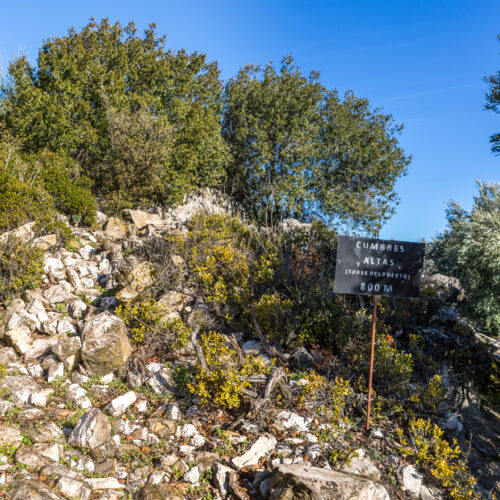
The Archaeological Site of El Higuerón, located within the municipality of Nueva Carteya, is one of the most significant historical enclaves in the region. This site, set on a strategic hill, has yielded remains that demonstrate continuous human occupation from the Iberian period to the Middle Ages, including an important phase during the Andalusian era.
During the Muslim rule of the Iberian Peninsula, El Higuerón functioned as a fortress and a control point along the commercial and military routes that crossed the area. Its elevated position allowed surveillance of the surrounding territory, making it a key defensive site within the network of Andalusian settlements in Córdoba and its surroundings.
Archaeological excavations have uncovered defensive structures, ceramic fragments, and building remains that reflect the architectural and cultural influence characteristic of al-Andalus. These findings shed light on how its inhabitants lived, their organization, and their connections with nearby populations during the Islamic period.
El Higuerón is not only a testimony to Andalusian presence in Nueva Carteya but also a direct link to the historical past of Andalusia. Its preservation and study remain essential to understanding the historical evolution of the area and appreciating the cultural legacy that still endures in the region.
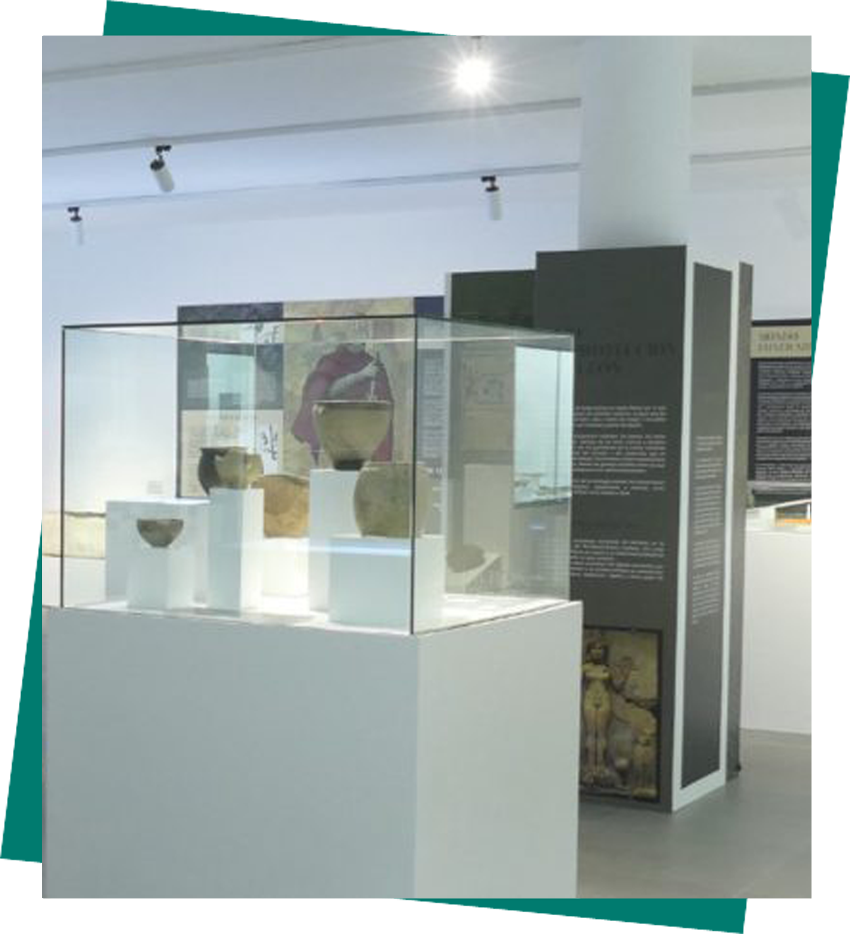
The Historical Museum of Nueva Carteya is the main space where the archaeological findings from the El Higuerón site are preserved and exhibited. Located in the center of the town, the museum houses objects ranging from prehistory to the Middle Ages, with special attention to the Andalusian remains discovered at the site.
The materials recovered during the excavations at El Higuerón, such as ceramic fragments and architectural remains, are displayed to the public in this museum, which also collaborates with academic institutions for their study and preservation, contributing to the dissemination of local heritage.
At the highest point of the municipality, at 804 meters above sea level, in the chain of hills of Monte Horquera, stands a cylindrical tower built of limestone between the 13th and 14th centuries AD. It is a watchtower —a term derived from Arabic meaning “vigilance.” When this region was a frontier between Christians and Muslims, the tower served to monitor the roads and give warning in case of danger by lighting bonfires on its rooftop.
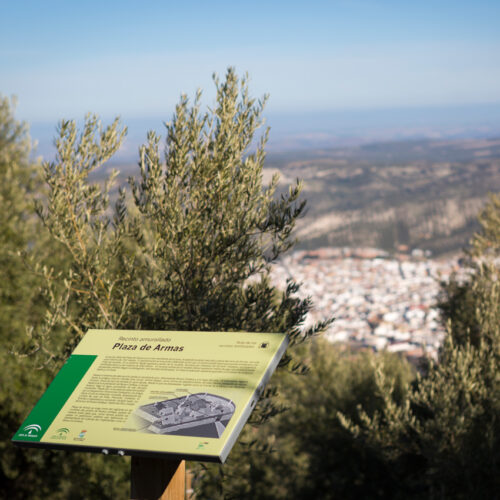
Among the historical remains of Nueva Carteya, the ancient Walled Enclosure of the Parade Ground stands out, where parts of the defenses that once protected the original core of the settlement are still preserved. This area, now integrated into urban life, continues to evoke the strategic importance the town once held and forms part of the historic layout that has endured to the present day.
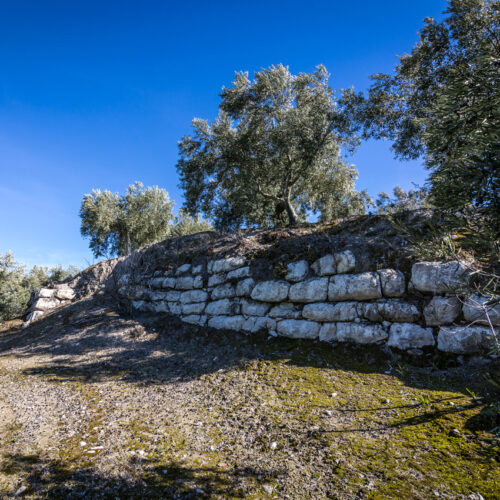
It is one of the largest “fortified enclosures” in the municipality of Nueva Carteya, with great architectural complexity. It has a distinctly defensive character, featuring a large central building surrounded by a strong wall with bastions. Its occupation dates back to the Iberian period (early 4th century BC) and continued until the Early Imperial period (1st century AD).


