


 1Espejo
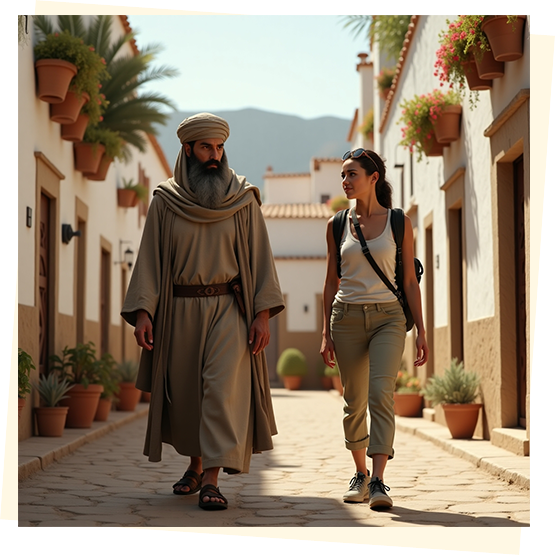
Carmen opened her eyes and found herself atop a sober, austere construction that overlooked the countryside. What she saw before her was al-Qalʿa, the old Andalusi fortress that today is the Castle of Espejo: a defensive tower, but without a city yet surrounding it.
A few steps away, a man in a light tunic, carrying a wooden staff, his face weathered by time, was silently gazing at the horizon. He did not seem surprised to see her, and Carmen was not startled by his presence either. It was as if she had been expecting him.
- Castro del Río2
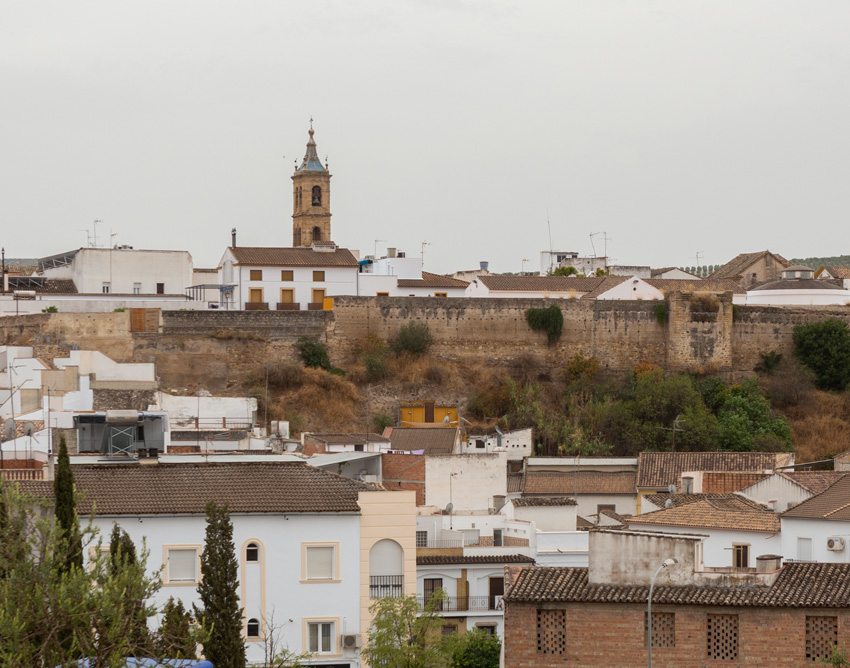
The path descended along the curve of the river, skirting orchards and olive groves, until the land rose again, giving way to a beautiful town. From afar, Carmen could distinguish the unmistakable silhouette of a sturdy tower and walls gilded by the sun.
—Castro del Río — she murmured, as if the name had sprung directly from the landscape.
 3Nueva Carteya
After the meal, they thanked Muqaddam and Lubna for their hospitality. The craftsman and his wife bid them farewell at the gate. Carmen carefully tucked away the small bundle of bread and dates that Lubna had given them “for the road.” Shortly afterward, they resumed their journey.
The path wound through gentle hills and fields rippling in the breeze. The sun, now high, cast glimmers among the olive groves, and the steps of the two travelers left a faint trace upon the dry earth.
- Baena4
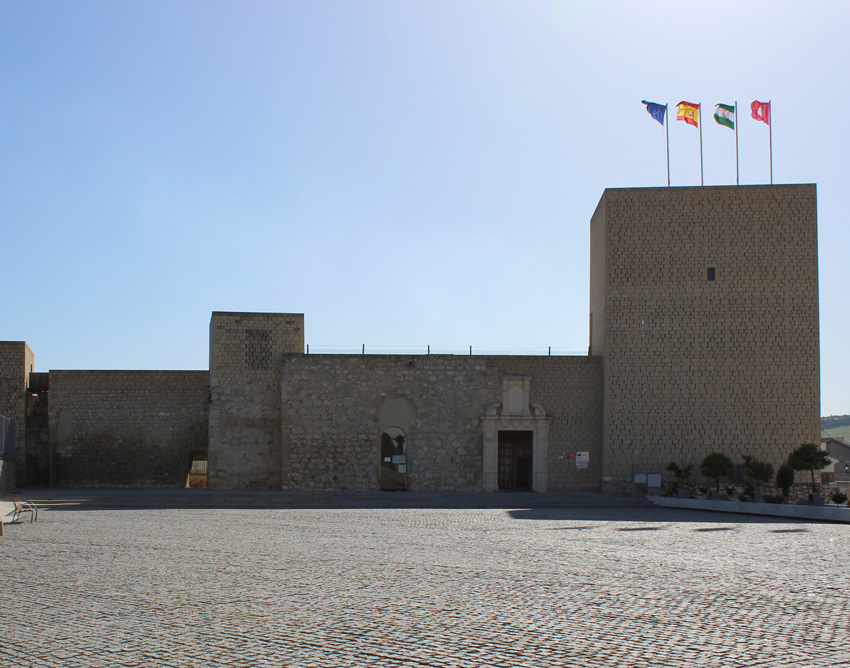
The afternoon sun fell over the slopes covered with olive trees as Qāsim and Carmen reached the top of a hill. A white patch of houses spread across the hillside, crowned by the silhouette of an ancient fortress.
—There lies Bayyāna —said Qāsim, stopping beside a rock and raising his hand—. ‘A great fortress upon a rise of the land,’ as al-Idrīsī described it centuries ago. Like a watchful sentinel among wheat fields, fig trees, and olive groves.
 5Valenzuela
The sun was slowly setting, tinting the hills covered in vineyards and olive groves with amber hues. The heat of the day was beginning to wane, yet a lingering warmth still floated in the air, as if the earth refused to release the light completely. The soil, reddish and fertile, had been diligently worked.
It was clear this was no forgotten corner: signs of life were everywhere. A group of women harvested vegetables by a riverside, while children carried water in pitchers from a spring that bubbled among the reeds.


