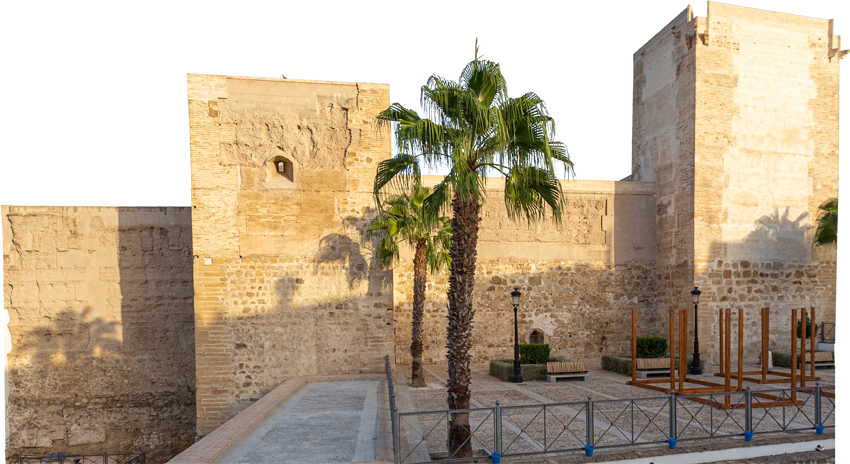
One of the most representative vestiges of the town’s Andalusian past. Built and reinforced in the 12th century under Almohad rule, it was part of a key defensive network along the Caliphate’s frontier. Its integration with the current Villa quarter and the use of materials such as rammed earth reflect the Islamic urban planning of the time.
After the Christian conquest in 1241, the castle came under the control of the Council of Córdoba and withstood attacks such as the Nasrid siege of 1332. Although only partially preserved today, it retains original elements and has been the subject of recent archaeological studies. It now stands as a symbol of Castro del Río’s frontier past and a key piece in understanding its historical identity.
Fortified Enclosure of El Cambronero
The Fortified Enclosure of El Cambronero, located on the edge of the Villa quarter, is one of the most visible remains of the Andalusian wall of Castro del Río. It was part of the Islamic defensive system that protected the medina.
Sections of wall and rammed-earth towers are still preserved, reflecting the military architecture of al-Andalus. Its layout, now integrated into the urban area, is key to understanding the Islamic origins of the town.
Walled Enclosure
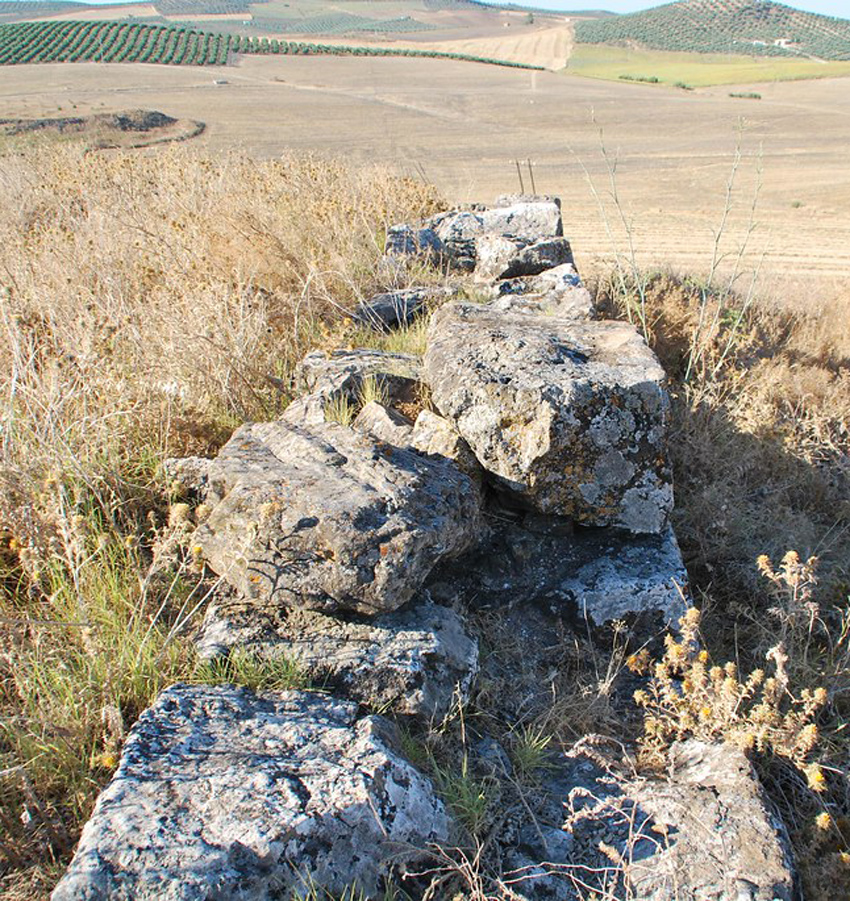
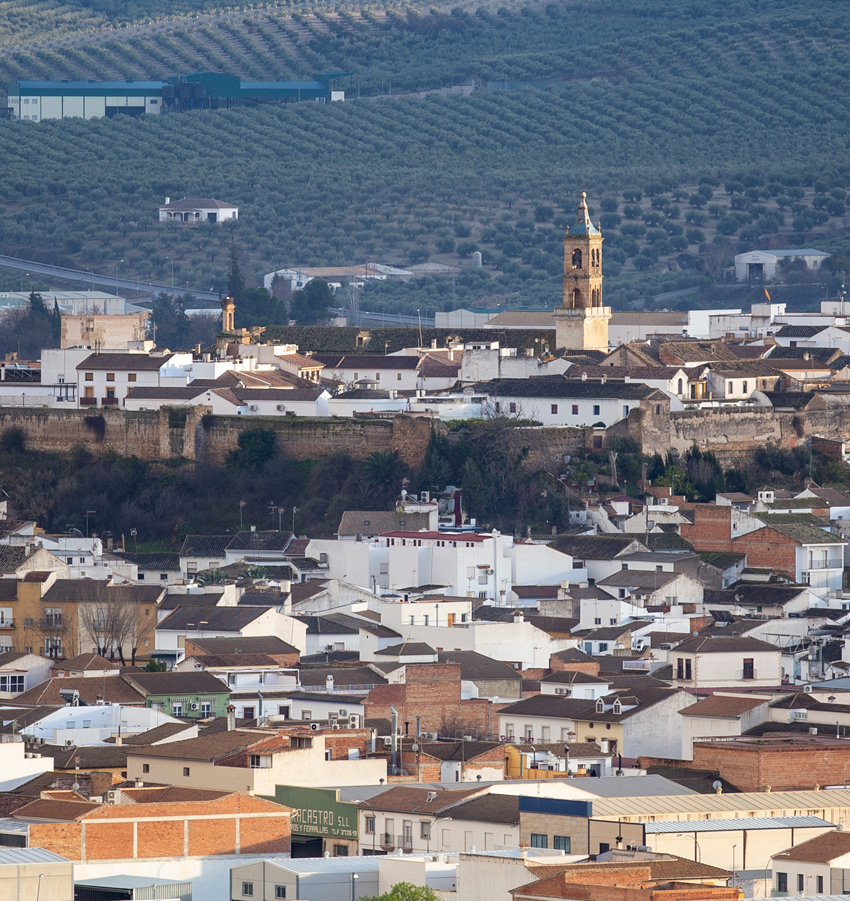
The Walled Enclosure of Castro del Río is one of the most notable elements of its Andalusian past. It surrounded the old medina and served a clearly defensive function in a frontier area.
Several sections and towers are still preserved, integrated into the urban fabric, especially in the Villa quarter. Its construction using rammed earth and masonry demonstrates techniques typical of the Islamic period, and its layout influenced the later development of the historic center.
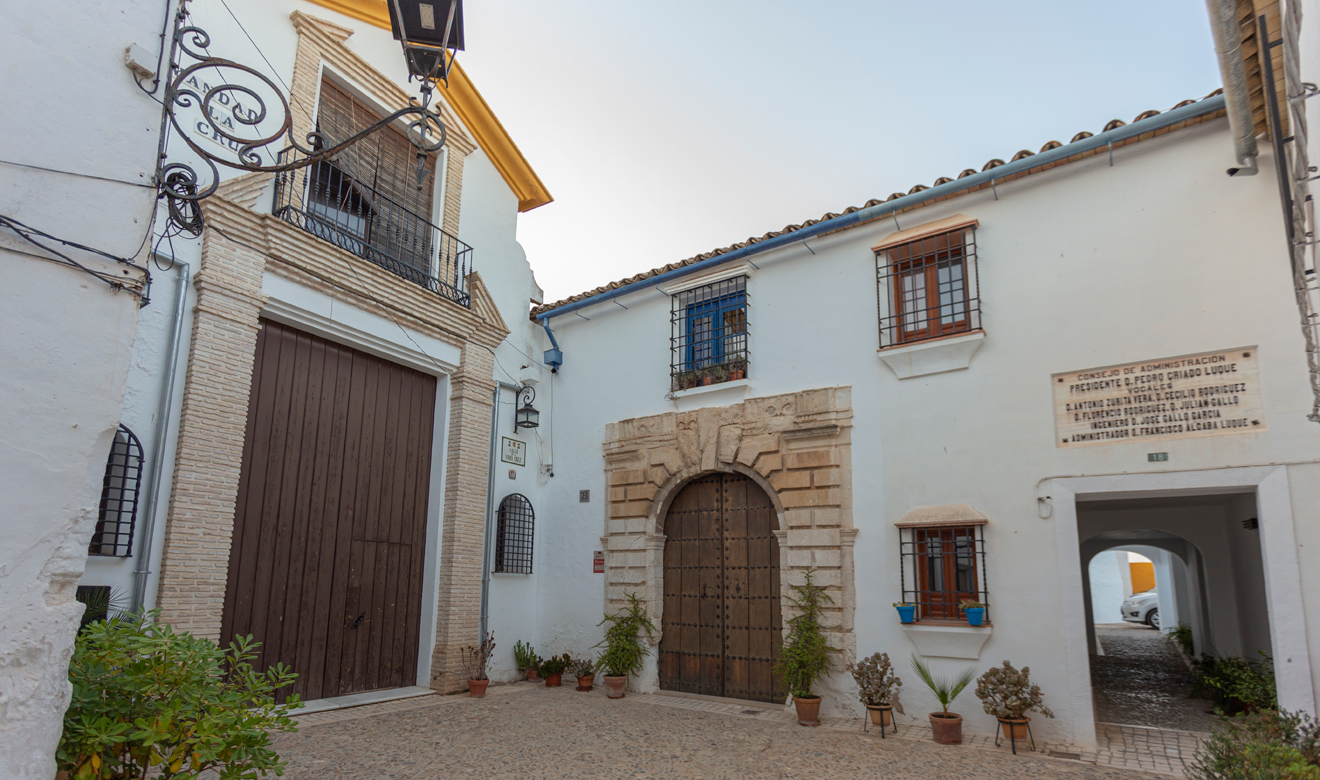
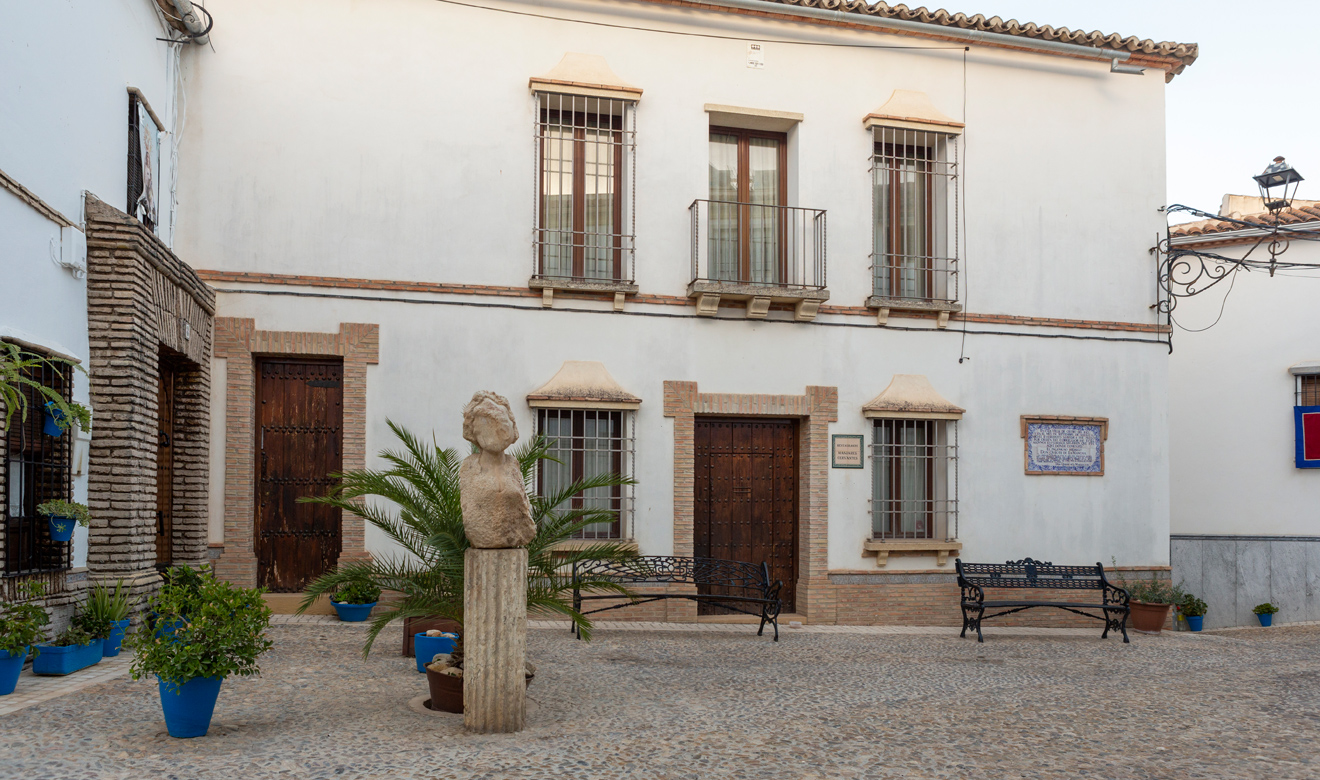
The traditional architecture of Castro del Río stands out for preserving the essence of Andalusian urban design while incorporating elements characteristic of the transition to the Andalusian Renaissance and Baroque periods. Its narrow, whitewashed streets, especially in the Villa quarter, still reflect the original Islamic layout, with an irregular arrangement adapted to the terrain.
Manor Houses
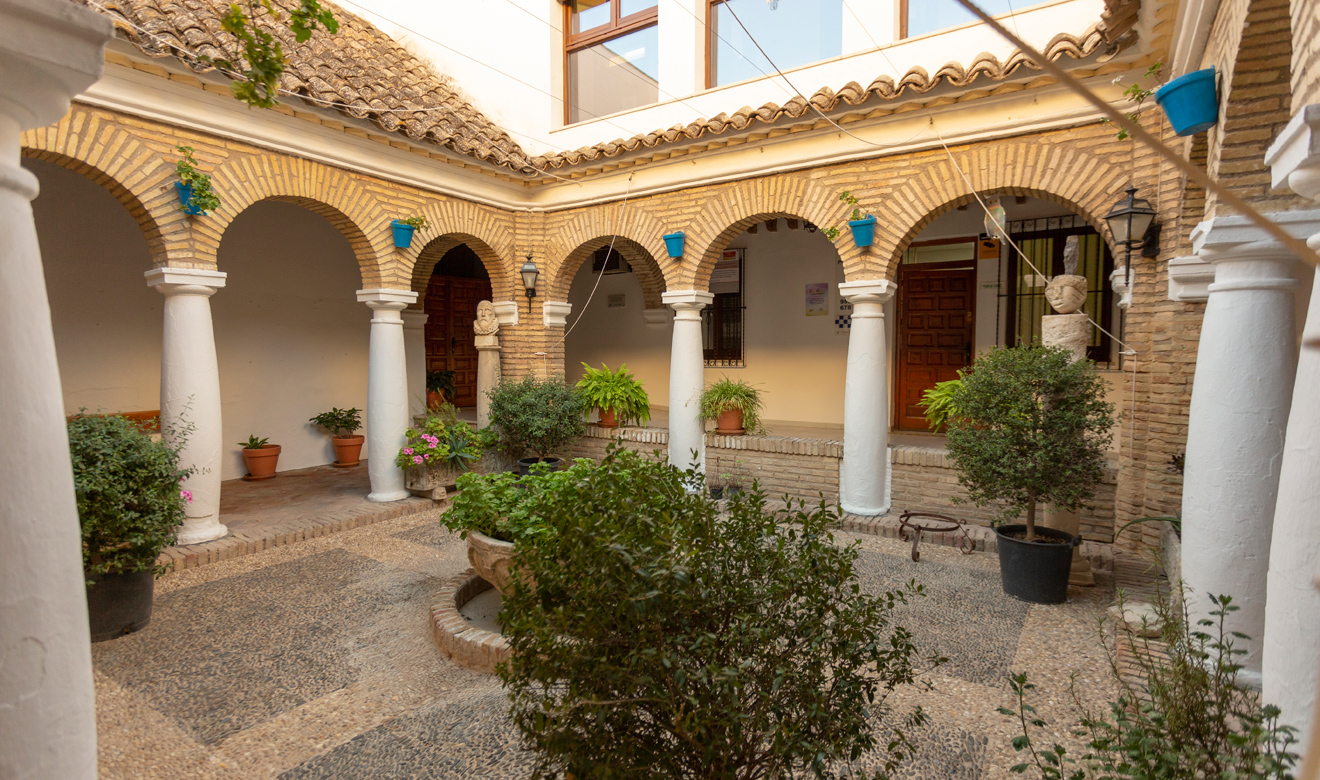
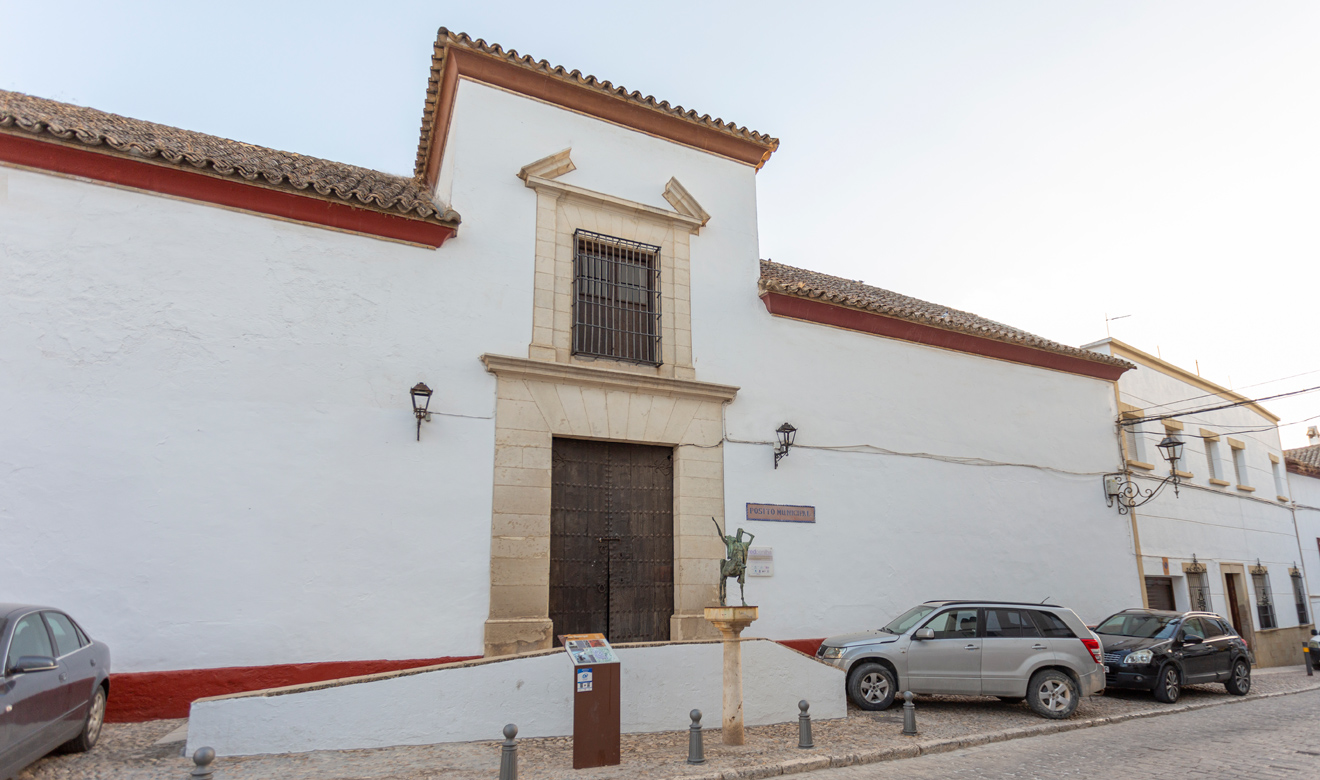
The manor houses are among the most notable examples of the municipality’s civil heritage. Built between the 16th and 19th centuries by wealthy families, these residences stand out for their sober façades, stone doorways with coats of arms, interior courtyards with columns, wrought-iron balconies, and large cisterns. Many of them combine the Mudejar style with Renaissance and Baroque details and are still well preserved, integrated into the historic center.
Town Halls
The Town Halls, seat of the municipal government, are located in Plaza de San Fernando and also reflect this blend of sobriety and elegance. Renovated in different periods, they retain a main façade of classical lines, with arcades and balconies, harmoniously integrated into the urban surroundings. The ensemble demonstrates how Castro del Río has managed to preserve and adapt its institutional architecture without breaking with the town’s historical identity.